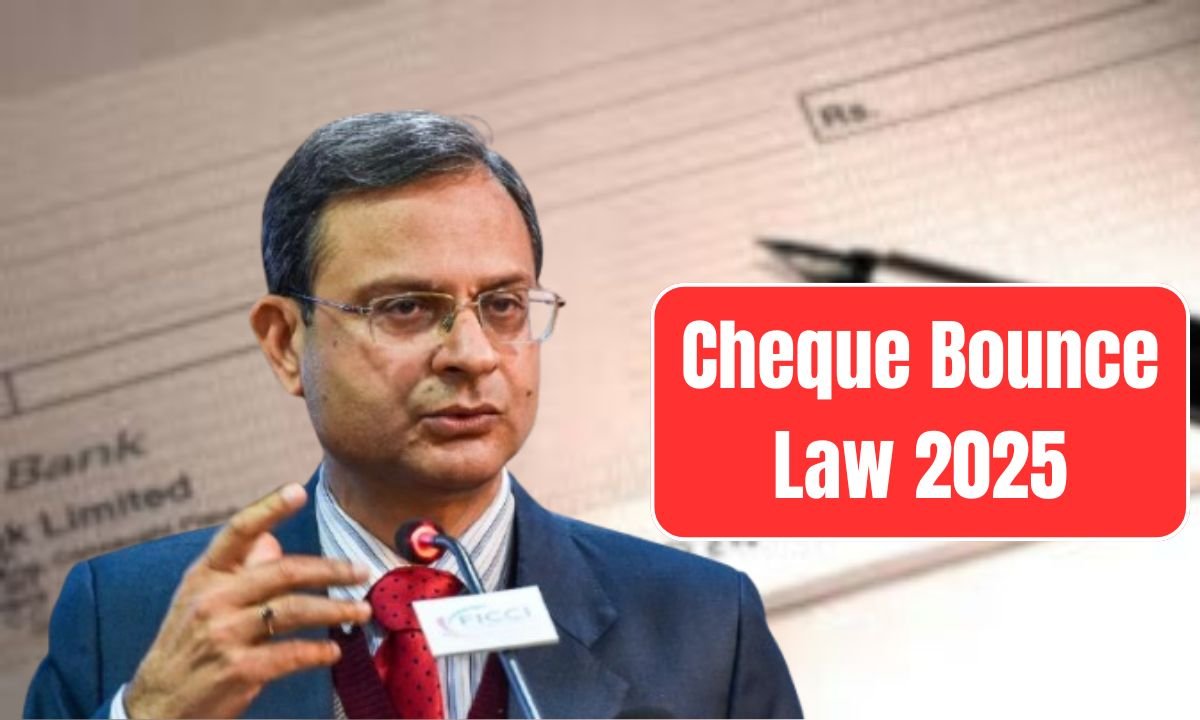
The year 2025 has significantly transformed the cheque bounce laws in India. Through these changes, the financial transactions are hoped to become more transparent, the fraudulent activities to be minimized and the disputes to be settled more quickly. Thus, it is important for both individuals and companies to get acquainted with these rules.
Cheque Bounce
The term cheque bounce refers to the event when a bank does not process a cheque for payment. Insufficient funds, mismatched signatures, or incorrect details are usually the reasons for this event to happen. The Negotiable Instruments Act from 1881, in Section 138, states that the dishonor of cheques is a criminal offense, hence offenders face penalties and even prison terms.
New Rules in 2025
India’s Supreme Court has made it clear that the cases of cheque bounce can only be filed in the complainant’s bank branch area. This prevents the practice of choosing a sympathetic court and thus it becomes easier to get a fair trial.

Moreover, the 2025 regulations give priority to:
- The use of digital summons for speedier communication.
- Conducting summary trials to eliminate delays.
- Introducing tougher penalties for the guilty, including a system of fines based on the level of the offense.
- Performing compliance checks on cash transactions above ₹20,000 to avoid tax penalties.
Cheque Bounce Law 2025 – At a Glance
| Aspect | 2025 Update |
|---|---|
| Jurisdiction | Case filed only in complainant’s home bank branch |
| Notice Period | 30 days from dishonor to issue legal notice |
| Penalties | Fine up to twice cheque amount + imprisonment up to 2 years |
| Digital Process | Online summons and faster trial procedures |
| Tax Compliance | Cash transactions above ₹20,000 monitored for penalties |
The Importance of These Changes
Cheque bounce cases have been a major source of litigation in the Indian Judiciary for many years and have led to delays in the administration of justice. The new law allows for quicker resolutions, safeguards the rights of the payees, and deters the wrong usage of cheques. Businesses reap the rewards of increased trust in their financial transactions, while the individuals come to feel more secure in their dealings.

Fines for Cheque Bounce in 2025
The law specifies both monetary and prison penalties for the offenders. Such penalties may range from a fine that equals to the cheque amount multiplied by two, and to a prison sentence that lasts for two years at most. Also, courts are promoting the compounding of cases as a way for the parties to settle their differences and avoid lengthy trials.
Conclusion
The Cheque Bounce Law 2025 is a game-changer for India’s financial system. By tightening penalties, clarifying jurisdiction, and introducing digital processes, the law ensures fairness, speed, and transparency. Whether you are a business owner or an individual, staying updated with these rules will help you avoid legal troubles and maintain trust in your financial dealings.