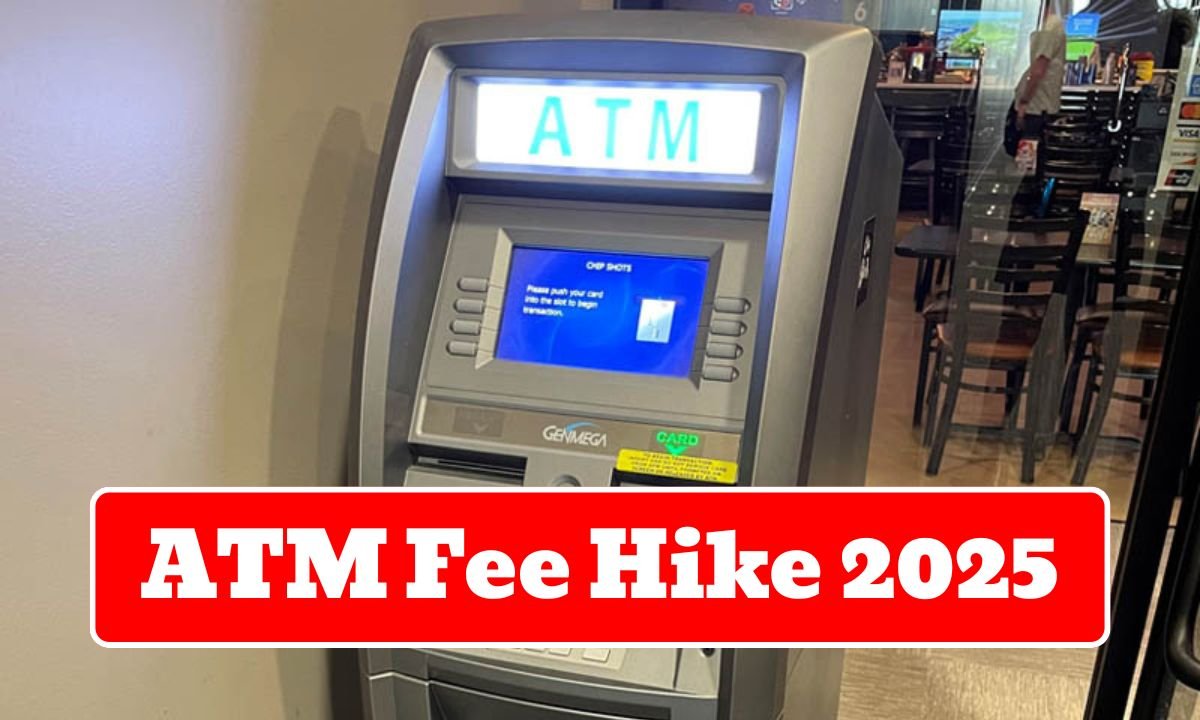
Starting May 2025, using your ATM a few times too many could cost a bit more. The Reserve Bank of India (RBI) has approved an ATM fee hike — increasing the post-limit charge from ₹21 to ₹23 per transaction.
At first glance, ₹2 might not sound like much. But considering millions of people still rely on ATMs for cash withdrawals and balance checks, this change will affect nearly every bank customer in the country.
So, what’s behind this increase, and how can you avoid paying extra? Let’s break it down.
Why RBI Increased ATM Fees in 2025
The short answer: rising costs and stronger security.
Over the past few years, ATM operators — especially white-label ATM providers — have faced higher expenses due to maintenance, electricity, rent, and cybersecurity upgrades. To keep these machines running efficiently and securely, the RBI approved a modest increase.
Here’s the thing — ATMs aren’t just metal boxes with cash. They’re connected to secure networks that require constant updates to protect against fraud. The ₹23 charge helps banks and ATM operators maintain these systems safely while ensuring customers continue to have access to cash around the clock.
Updated ATM Fee Rules 2025
| Transaction Type | Free Limit | Fee After Limit (₹) |
|---|---|---|
| Own Bank ATMs | 5 free per month | ₹23 per transaction |
| Other Bank ATMs (Metro) | 3 free per month | ₹23 per transaction |
| Other Bank ATMs (Non-Metro) | 5 free per month | ₹23 per transaction |
How It Affects You
For most people, this change won’t be a major hit — unless you make frequent ATM visits.

Let’s say you withdraw cash six times from your own bank’s ATM in a month. That one extra withdrawal now costs you ₹23. Similarly, using another bank’s ATM beyond the free limit (three in metros, five in non-metros) also triggers the same fee.
So while the increase is small, it could add up for those who rely heavily on cash or make frequent small withdrawals.
The RBI’s goal is also clear: encourage digital transactions. With UPI, mobile banking, and card payments becoming mainstream, the central bank hopes customers will gradually reduce their dependency on ATMs.
How to Avoid Paying Extra ATM Charges
The good news? You can easily skip these extra fees with a little planning.
- Plan your withdrawals: Take out larger amounts less often instead of multiple small withdrawals.
- Use digital payments: UPI, net banking, and card payments are free and instant.
- Check your bank’s offers: Some premium accounts provide more free transactions or fee waivers.
- Use your own bank’s ATMs: Withdrawals at your home bank’s ATMs give you more free transactions per month.
Think of it like optimizing your mobile data plan — the key is managing usage smartly.
What This Means for the Future of Banking
The ATM Fee Hike 2025 signals a slow but steady shift in how India handles money. As cash usage declines and digital transactions soar, maintaining ATMs has become more expensive for banks. Instead of passing heavy costs onto everyone, the RBI chose a small, manageable increase for high-usage customers.

In other words, you can still use cash freely — but the system now rewards digital-first behavior.
Frequently Asked Questions
Q1. What is the new ATM fee from May 2025?
The ATM fee has been increased from ₹21 to ₹23 per transaction after crossing the monthly free limit.
Q2. How many free ATM transactions are allowed per month?
Customers get five free transactions at their own bank’s ATMs, three at other-bank ATMs in metro cities, and five in non-metro areas.
Q3. Does the fee apply to balance inquiries or mini statements?
Yes. Both financial and non-financial transactions (like balance checks) count toward the monthly limit.
Q4. Why did the RBI approve this fee hike?
The increase helps cover the rising cost of ATM maintenance, inflation, and cybersecurity upgrades across the network.